Arcadia Physical Therapy Formerly Camelback Sports Therapy
Phoenix, AZ 85018 Get Directions
Phone
(602) 808-8989Fax
(602) 808-9494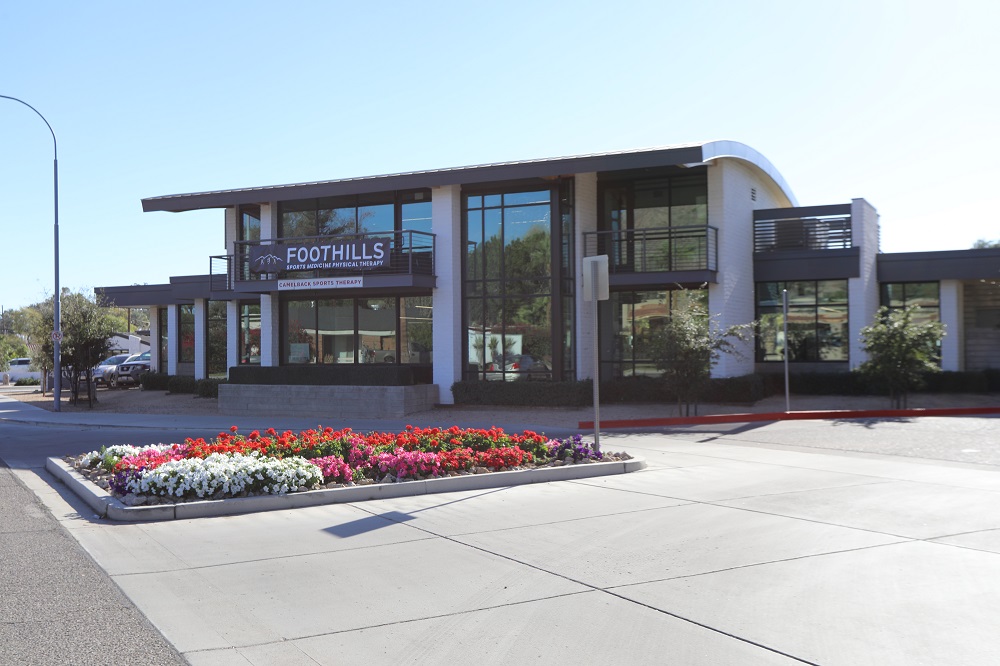
Location Info
Formerly Camelback Sports Therapy, we are a step above other healthcare providers, offering the latest technologies and proven therapeutic methods. We understand that to stay active and get the most out of life, you need to do two things: Firstly, avoid injury and, secondly, effectively treat and manage the injuries you do get. Our Licensed Physical Therapists, Certified Athletic Trainers, and Strength and Conditioning Specialists are dedicated to helping people of all activity levels Stay in the Game! We are proud to give hands-on, individualized care at every appointment, provide competitive athletes with a performance advantage, and care for weekend warriors who go a little overboard. At Foothills, we understand that “good enough” is never enough. No one deserves a “good enough” recovery, no matter their situation. We aim to ensure a Full Recovery Focus™️ and help you return to a healthy life. Conveniently located just South of 44th Street and Camelback Road. Initial exams can be scheduled within 24-48 hours.
Clinic Hours
- Monday
- 6:00 AM - 7:30 PM
- Tuesday
- 6:00 AM - 7:30 PM
- Wednesday
- 6:00 AM - 7:30 PM
- Thursday
- 6:00 AM - 7:30 PM
- Friday
- 6:00 AM - 6:30 PM
- Saturday
- Closed
- Sunday
- Closed
Services & Treatments at this location
- Acute Injury Rehabilitation
- Chronic Injury Rehabilitation
- Cupping
- Ehlers-Danlos Syndrome
- Endurance Physical Therapy
- Ergonomic Assessments
- Functional Movement Screening (FMS)
- Gait and Running Analysis
- Geriatric Therapy
- Golf Performance
- Graston Technique – Instrument-Assisted Soft Tissue Mobilization (IASTM)
- Kinesio Taping
- Migraines
- Parkinson’s LSVT BIG® Program
- Pediatric Therapy
- POTS – Postural Orthostatic Tachycardia Syndrome
- Pre- and Post- Natal Care
- Pre- and Post-Surgical Rehabilitation
- Rapid Recovery® Injury Assessment
- Spine Specialty
- Sports Physical Therapy
- Temporomandibular Joint Dysfunction (TMJ)
- Trigger Point Dry Needling (TDN)
- Women’s Health
- Vestibular Therapy
- Workers’ Compensation
Meet the Team
Gianara PT, DPT, FAAOMPT, DN Cert.
Physical Therapist
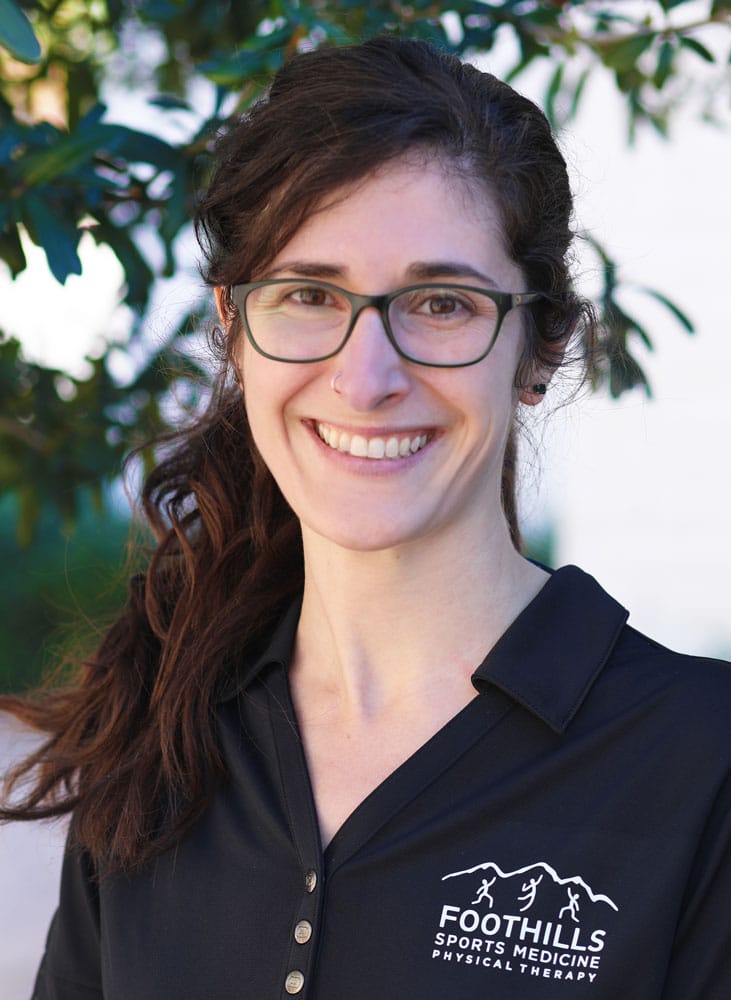
Gianara PT, DPT, FAAOMPT, DN Cert.
Physical TherapistEducation: Northern Arizona University, University of Pittsburgh
Areas of Interest: Orthopedics, Sports Medicine with movement analysis, manual therapy, and neurodynamics.
Gianara is originally from the Bay Area but considers herself a transplanted native since moving to Arizona when she was six years old. After graduating Cum Laude at Northern Arizona University, where she earned her Bachelor of Science in Exercise Science, she went out east. She received her Doctorate Degree in Physical Therapy from the University of Pittsburgh. Gianara then pursued a subset specialty in orthopedics and manual therapy from the Manual Therapy Institute, where she became a Fellow of the American Academy of Orthopedic Manual Physical Therapists (FAAOMPT).
As a previous Division I Soccer athlete, Gianara combines her love for sports with movement analysis, manual therapy, and neurodynamics to improve her patient’s mobility and quality of life. Her clinical approach is heavily focused on functional movement analysis and incorporating manual therapy techniques and therapeutic exercise into each patient’s individualized treatment program for the best results.
Jenny PT, DPT, DN Cert., LSVT Big Clinician
Physical Therapist
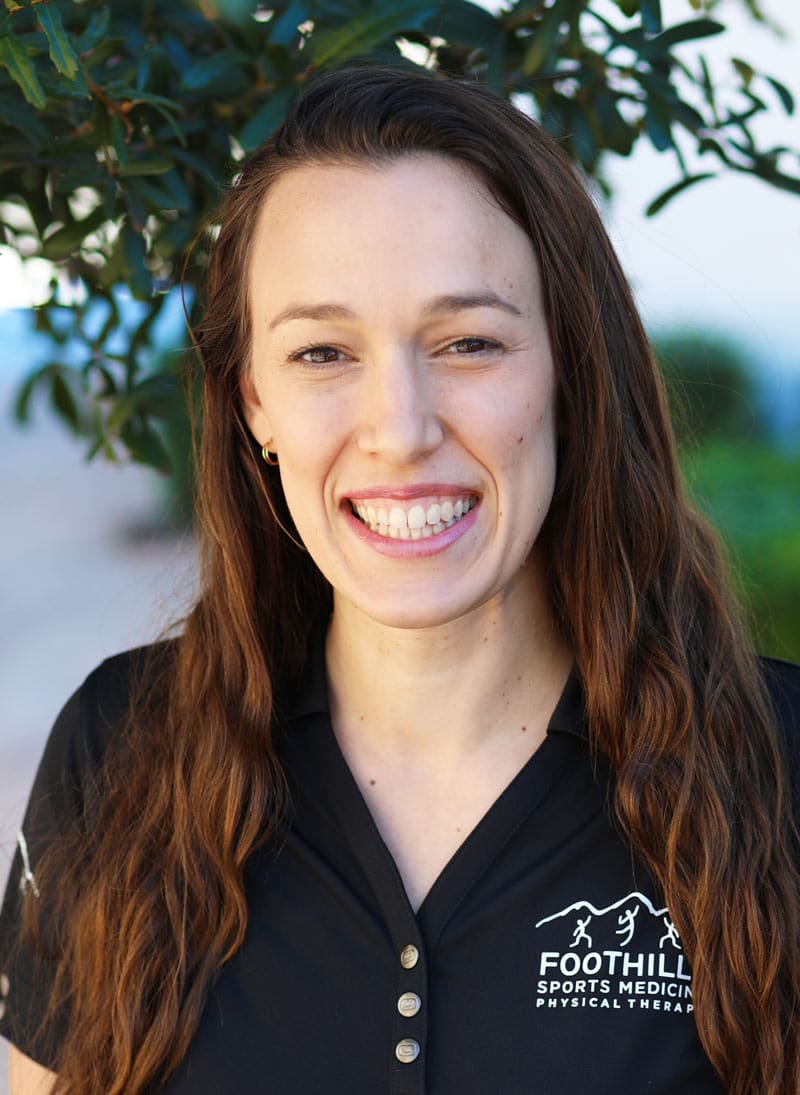
Jenny PT, DPT, DN Cert., LSVT Big Clinician
Physical TherapistEducation: Northern Arizona University, Arizona State University
Areas of Interest: Orthopedics, Sports Medicine, Neurological, Vestibular, Parkinson’s movement program, Torticollis (neck movement)
Jenny is a Phoenix native who graduated from Arizona State University and played Division I Volleyball. She earned her Doctorate Degree in Physical Therapy from Northern Arizona University. At NAU, Jenny researched exercise prevention in Division I athletes and the effects of intensive physical therapy on chronic stroke. She has coached and trained young female athletes specializing in volleyball for 5+ years.
She is extremely driven to provide her patients with the best possible care, experience, and results. She enjoys treating individuals of ALL ages with various diagnoses, including orthopedic, neurological, and vestibular, who want to remain active and healthy. Jenny is also a certified LSVT Big®️ clinician. LSVT Big®️ is a highly specialized movement program for people with Parkinson’s disease to improve walking, limb control/speed, balance, and overall quality of life.
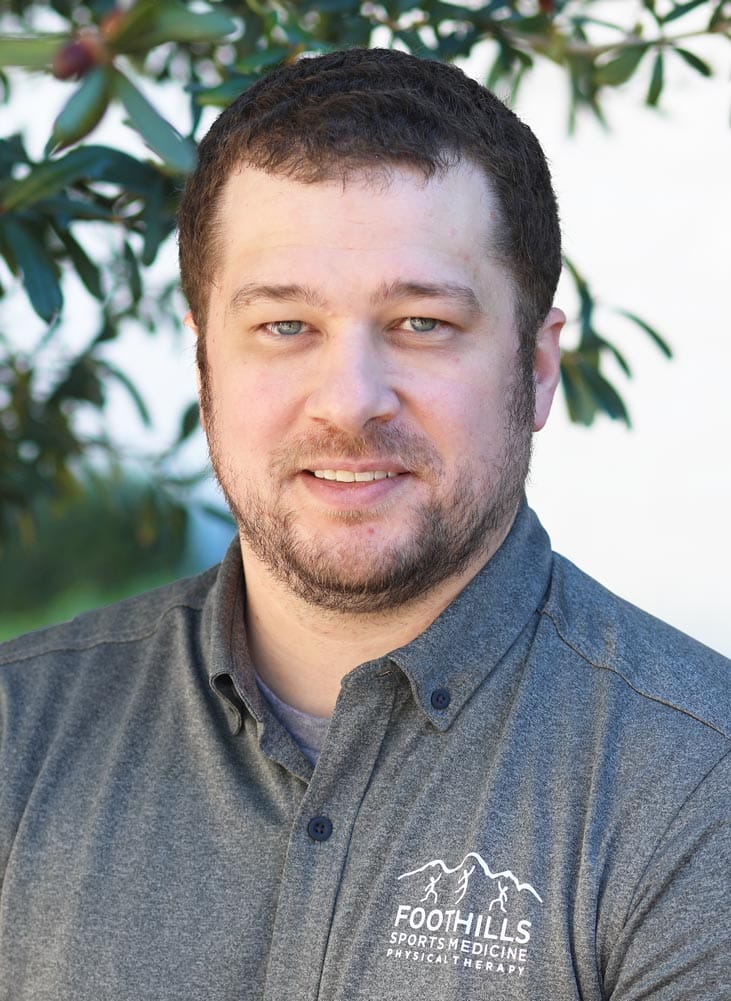
Connor PT, DPT, DN Cert., TPI Cert.
Physical Therapist
Connor PT, DPT, DN Cert., TPI Cert.
Physical TherapistEducation: St. Louis University
Areas of Interest: Overhead & Rotational Athletes (Golfers), Sports Medicine, Orthopedics, Low Back Pain and Spine Rehabilitation, Torticollis (neck movement)
Connor is originally from Illinois, where he attended Saint Louis University. He received his Bachelor’s degree in Exercise Science and Doctorate of Physical Therapy in St. Louis before coming to the sunny state of Arizona.
He has experience in various patient demographics – from infants to athletes and weekend warriors. Connor is also a Titleist Performance Institute (TPI) Certified provider, making him an expert in golf swing analysis and injury/pain prevention. Connor can help your golf game and improve your movement patterns. Regardless of the patient’s background, he provides an individualized, evidence-based approach emphasizing return to function to each person he works with. He utilizes therapeutic exercises and manual therapies to get his patients the best results and reach their goals.
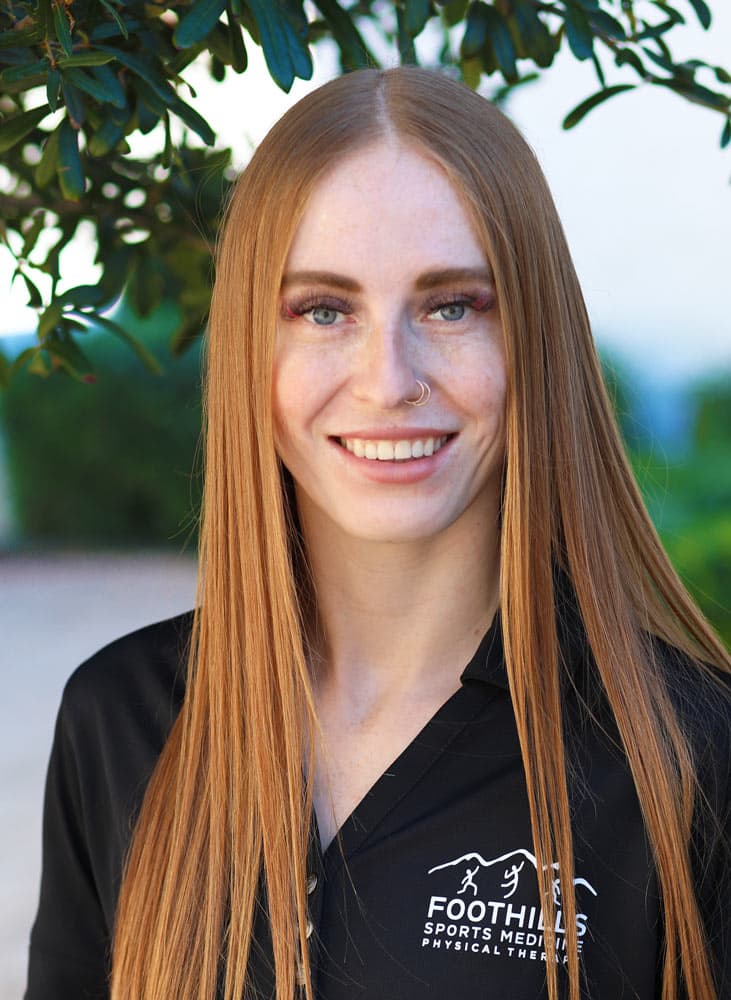
Riley PT, DPT, DN Cert.
Physical Therapist
Riley PT, DPT, DN Cert.
Physical TherapistEducation: Northern Arizona University
Areas of Interest: Orthopedics, Sports Medicine, Neurological, Running and Gait analysis
Born and raised in Phoenix, Arizona, Riley headed north to Flagstaff to see leaves change colors for the first time! At Northern Arizona University, she received a BS in Exercise Science and a minor in psychology and then chose to stay up North to earn her Doctorate of Physical Therapy. Her passion for educating others led her to become an Anatomy and Physiology supplemental instructor, for which she won multiple leadership awards. While studying in Flagstaff, she founded a local chapter to eradicate period poverty and stigma through service, education, and advocacy.
Riley has worked with various populations in both neurological and orthopedic settings, ranging from individuals a few months old to nearly a century old. Whether it is a patient training for their first triathlon or a patient who wants to walk their dogs without pain, she believes anyone can be an athlete if they establish a goal and endeavor to reach that destination. Rather than being intimidated by the human body’s complexity, she wants her patients to feel empowered to know that trillions of cells work every second of every day to get them moving.
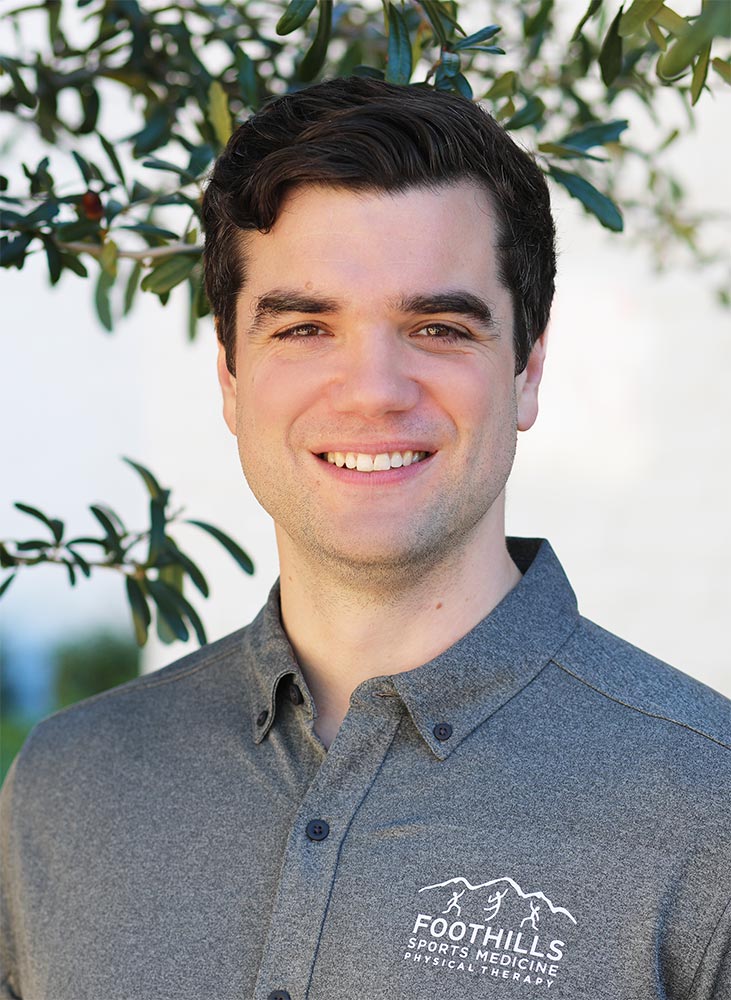
Rich PT, DPT
Physical Therapist
Rich PT, DPT
Physical TherapistEducation: Creighton University
Areas of Interest: Sports Medicine, Shoulder Injuries, Performance Athletes, Orthopedics
Rich was raised in Green Bay, Wisconsin, where he became an avid Packers fan. He graduated from Creighton University with his Doctorate in Physical Therapy and has worked in orthopedic and sports clinics nationwide. Rich was a multi-sport athlete in high school, sustaining many injuries that exposed him to the world of physical therapy. These experiences piqued his interest in working in the industry and helping people become their best selves.
Rich enjoys having broad and deep knowledge of physical therapy, but he takes a particular interest in treating shoulder injuries due to the natural complexity of the joint. He believes that functional strength is the key to eliminating pain and maximizing quality of life.
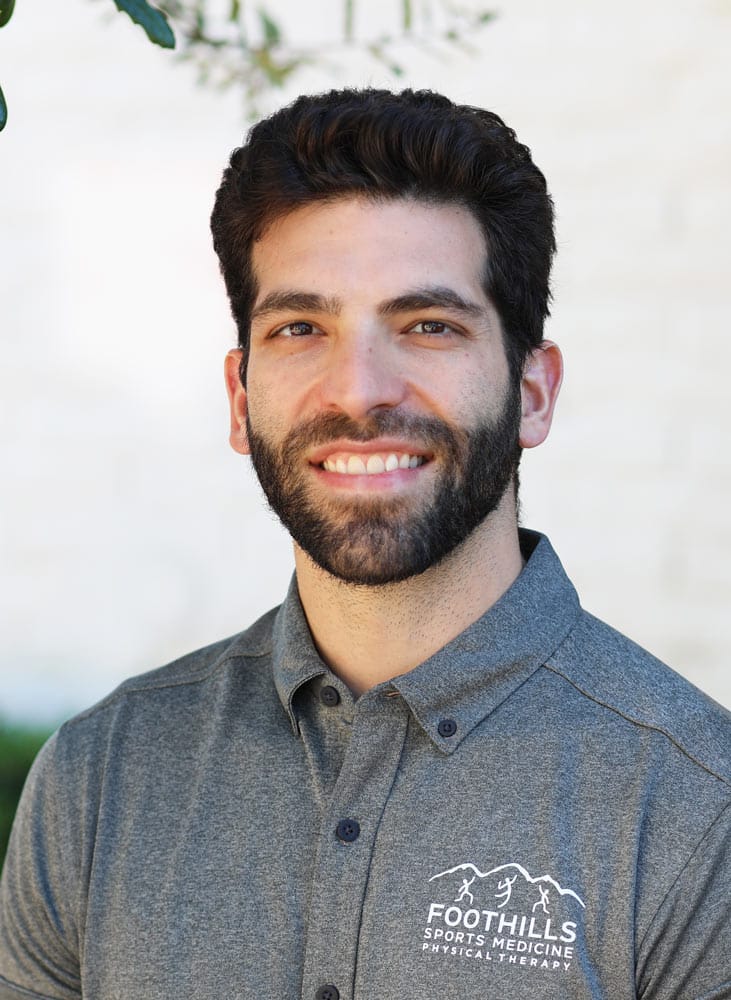
Neema PT, DPT, DN Cert.
Physical Therapist
Neema PT, DPT, DN Cert.
Physical TherapistEducation: Florida State University, Touro University
Areas of Interest: Sports Medicine, Performance Athletes and Martial Arts, Orthopedics
Neema was born and raised in Florida, where his passion for health & fitness began. He obtained his bachelor’s degree in exercise science at Sunshine State University. After 10+ years in corporate America, Neema chose a career path more directly correlated with his passions. He graduated from Touro University with his Doctorate in Physical Therapy.
Neema believes the human body can heal through proper exercise, mechanics, and strengthening. He hopes all the skills he teaches his patients to transcend outside of the clinic. He enjoys treating general orthopedic conditions and injuries while focusing on athletes. Neema has a specific interest in treating combat athletes (boxing, jiu-jitsu, MMA, wrestling, etc.) as he is also a certified Krav Maga & self-defense coach.
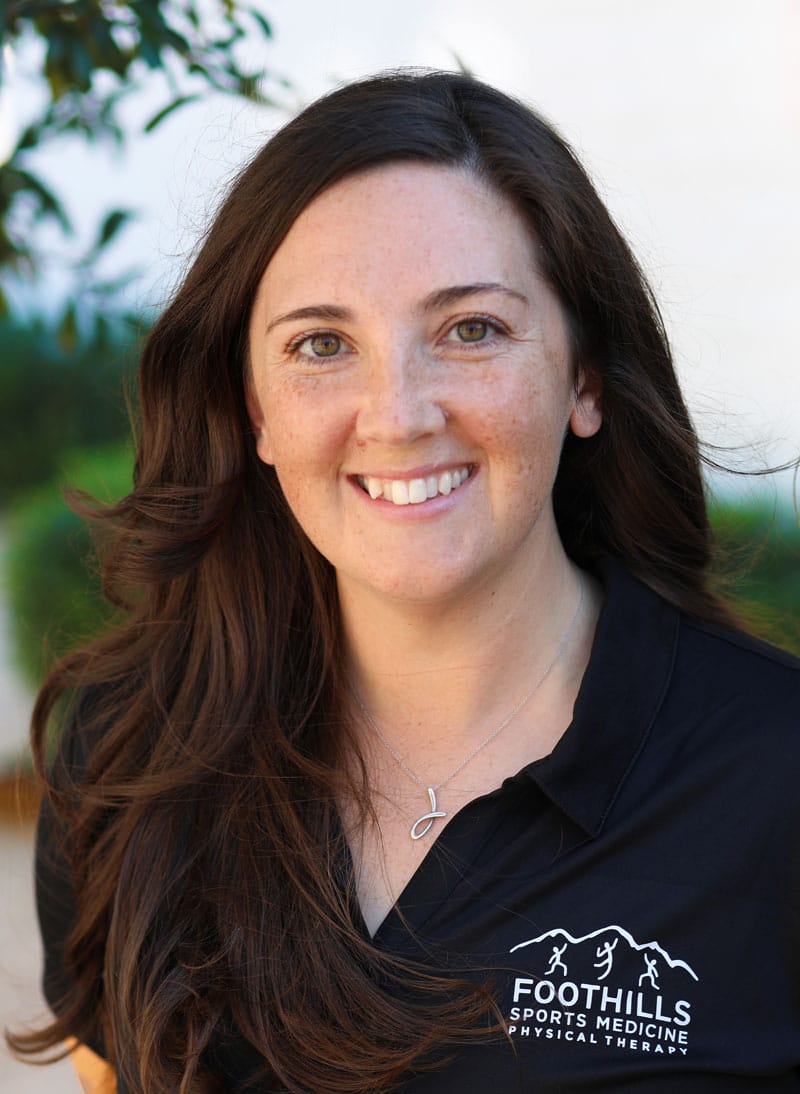
Jen PTA
Physical Therapist Assistant
Jen PTA
Physical Therapist AssistantEducation: Arizona State University
Jen came to Phoenix from Philadelphia almost 14 years ago and hasn’t shoveled snow since. She attended and graduated from Arizona State University with a Bachelor of Science in Kinesiology, and after her PT internship, she decided that this was the path she would take. Jen returned to school for her PTA license and was excited to return to the clinic and help people get back to living their best lives in this city with so much to offer.
Jen has always been passionate about helping people and has found the perfect way to blend her love for athletics and education to improve people’s function in this setting. She enjoys treating all patient populations and especially loves to teach patients how minor adjustments can make a big difference in their overall quality of life. Jen utilizes her knowledge of the human body while providing skilled hands-on treatment, cupping, IASTYM, Kinesio tape, and exercise therapy to optimize patients’ movements and help them get the desired results.
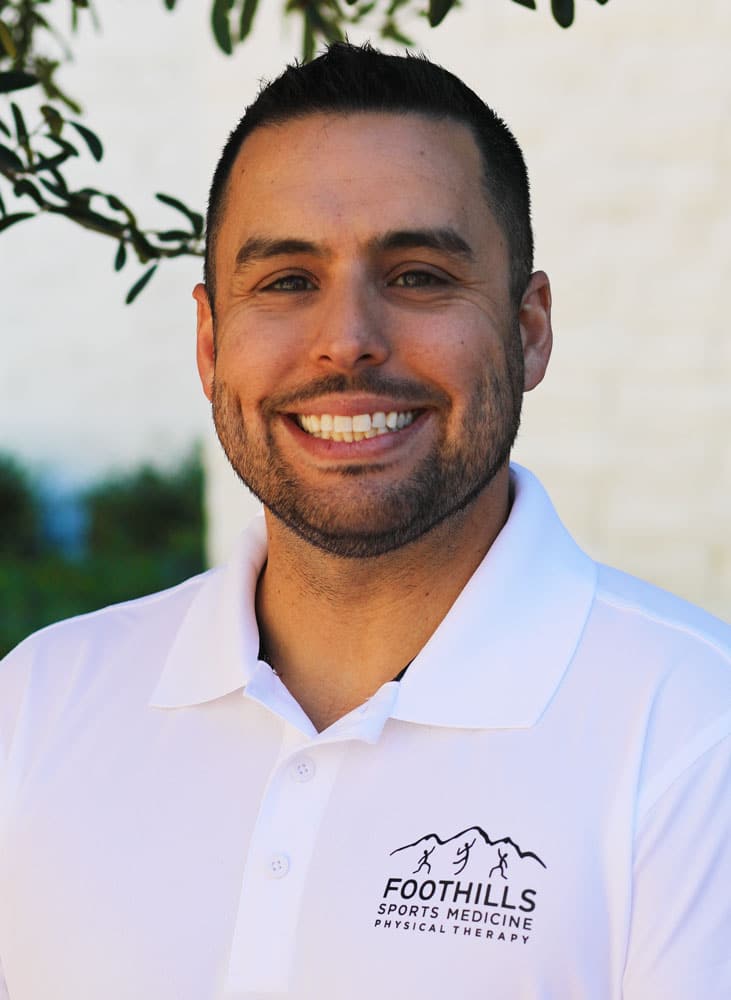
Eric PTA
Physical Therapist Assistant
Eric PTA
Physical Therapist AssistantEducation: Arizona State University, Pima Medical Institute
Eric is a native Arizonan and was born and raised in Cave Creek! Eric grew up in a soccer family and began his college career playing soccer at Paradise Valley Community College for two years. After transferring to Arizona State University, he earned a Bachelor of Science in Exercise and Wellness. During this time, Eric worked as a physical therapy technician and decided to pursue a career as a Physical Therapist Assistant, graduating from Pima Medical Institute.
Eric has experience working in subacute and outpatient rehab settings. He is passionate about helping others reach their personal goals. He has obtained an instrument-assisted soft tissue massage (IASTM) certification. As a former athlete and current advocate for health and wellness, Eric brings an energetic attitude and hands-on approach to his treatments, with a strong focus on proper body mechanics and form.
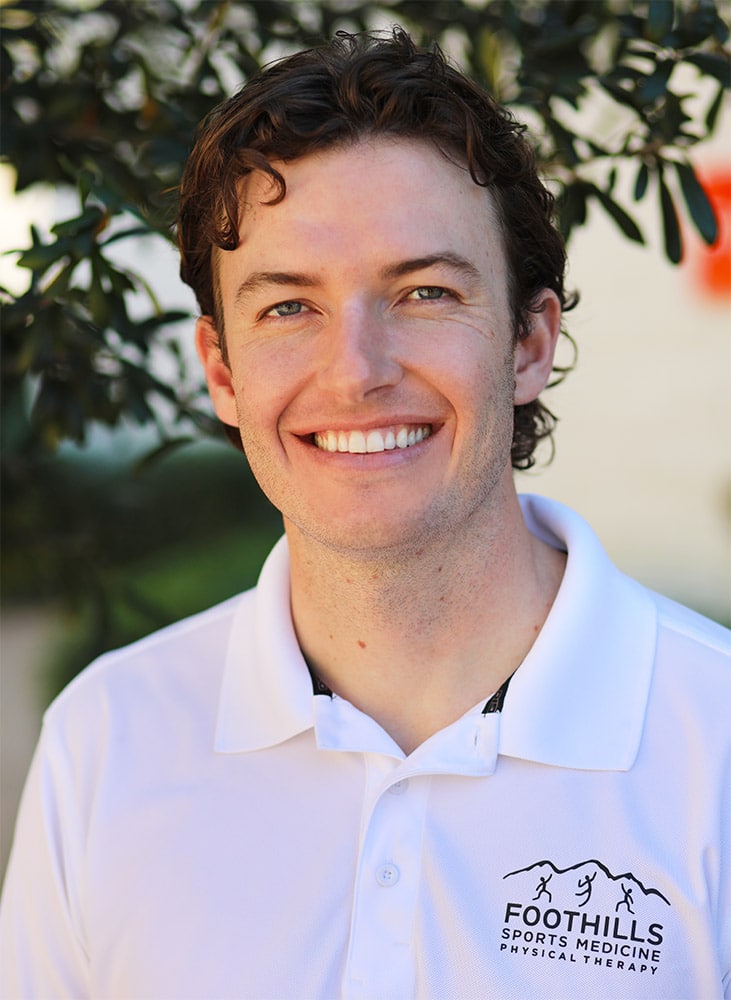
Ian PTA
Physical Therapist Assistant
Ian PTA
Physical Therapist AssistantEducation: Sonoma State University
Ian grew up in Northern California, where he first experienced the Physical Therapy world with his dad being a Physical Therapist. Ian’s love for physical therapy was sparked by watching his dad help people reach their physical goals. Ian pursued his undergraduate degree in Kinesiology at Sonoma State University, where he was a key leader on the golf team. He then earned his PTA degree, combining his passion for sports and physical therapy into a career.
Ian is also a Titleist Performance Institute (TPI) Certified provider, making him an expert in golf swing analysis and injury/pain prevention. He loves building connections with patients while helping them reach their full potential. He understands that physical therapy can only go so far if it is not adapted to the patient’s everyday life, so developing a relationship with his patients helps him to improve his work. Whether you are a weekend warrior, golfer, or in general pain – Ian is motivated to help you get back to what you love.
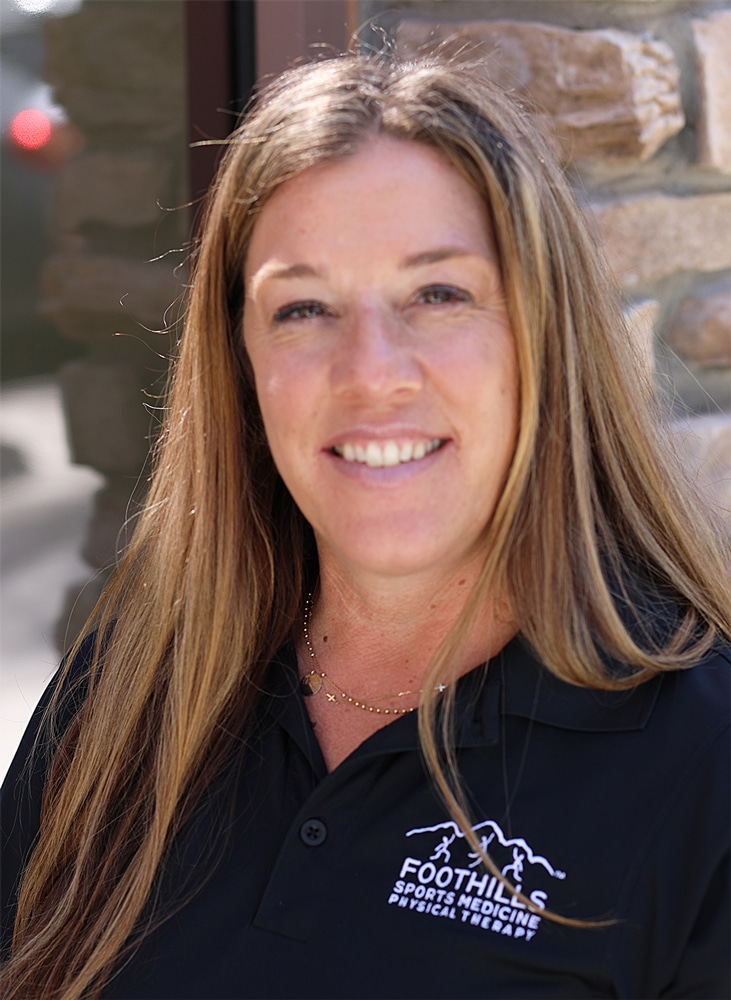
Rebecca PTA
Physical Therapist Assistant
Rebecca PTA
Physical Therapist AssistantEducation: Arizona State University, Scottsdale Community College
Wanting to escape the cold of Illinois, Rebecca enrolled at Arizona State University, where she graduated with her bachelor’s degree in Exercise Science and Wellness. Rebecca continued as an exercise specialist at Scottsdale Community College, leading classes, group fitness experiences, and Silver Sneakers programs. Her passion for helping others reach their fitness goals and her love of athletic competition inspired her to pursue her career as a PTA, and she hasn’t looked back since!
Rebecca has worked in many physical therapy settings. However, she especially loves the outpatient orthopedic setting because of the variety of patient backgrounds & diagnoses. Her goal as a clinician is to focus on the individuality of each patient & get to know what specific courses of treatment improve their quality of life. Rebecca has training in a wide range of modalities that enhance courses of treatment, including certification in Kinesiology Taping, Aquatic therapy, cupping & more!
People in Metro Phoenix & Surrounding Cities Trust Foothills PT
Hear from patients that reclaimed their lives.